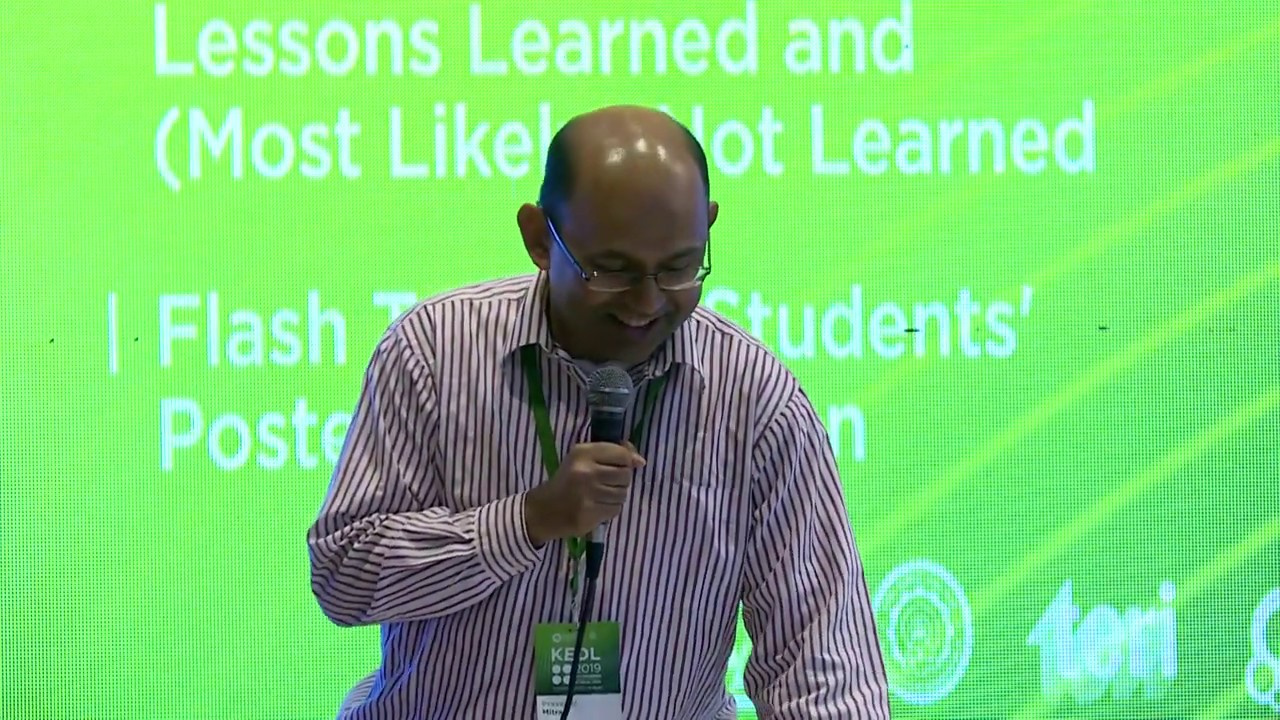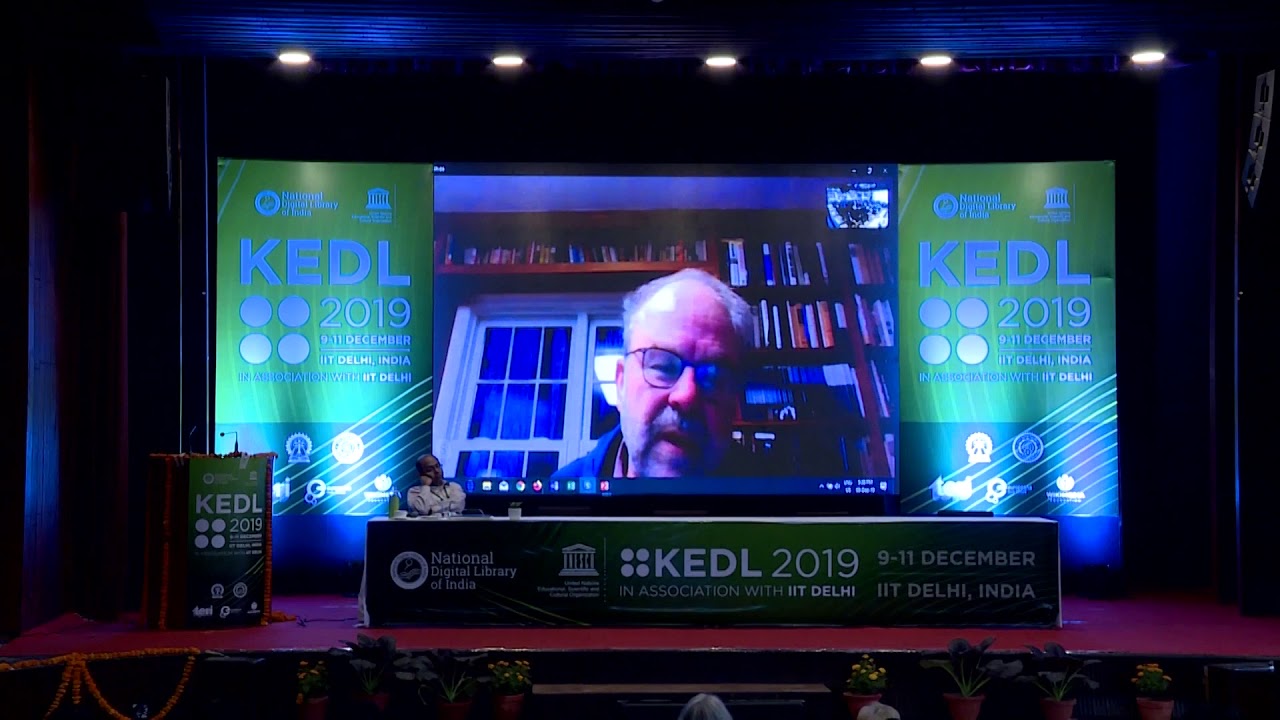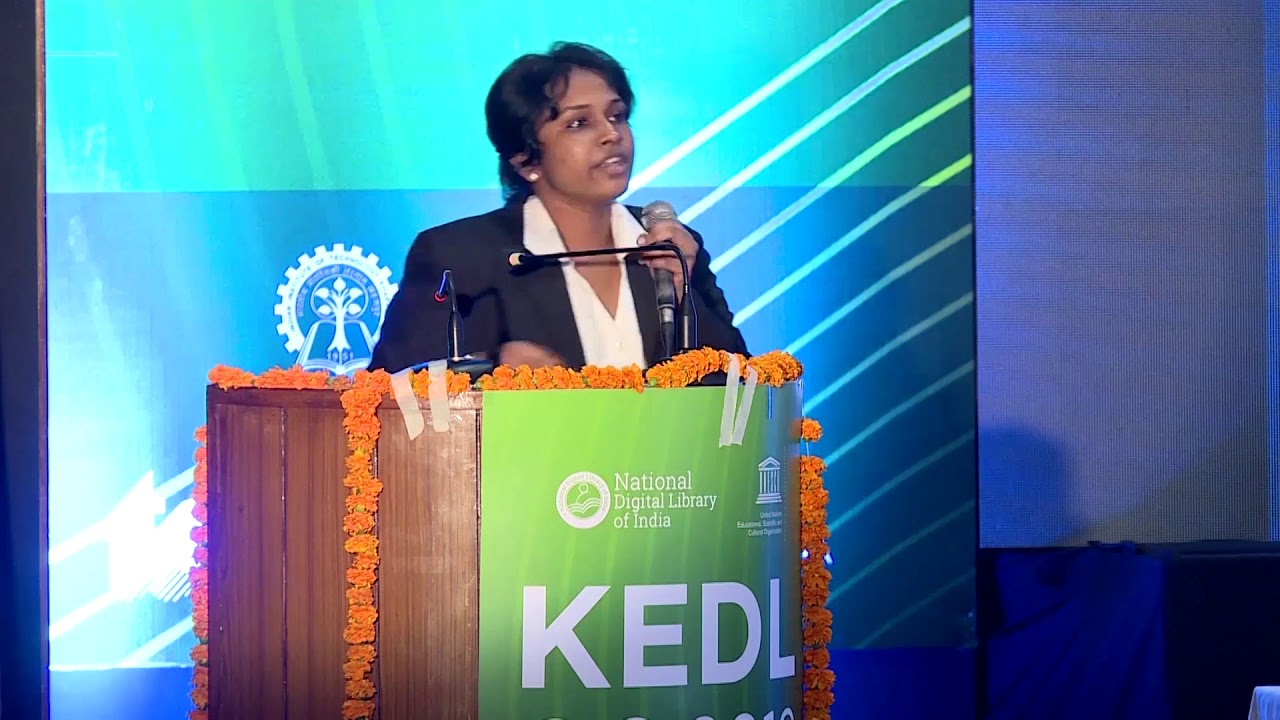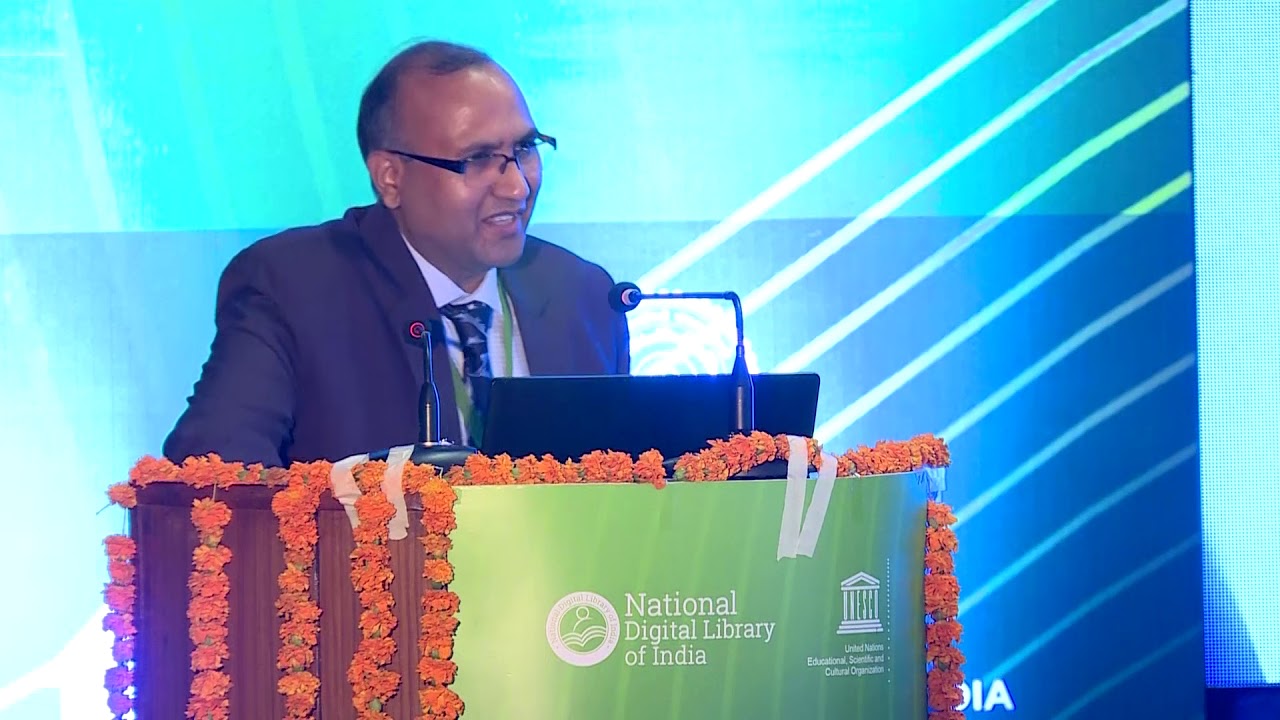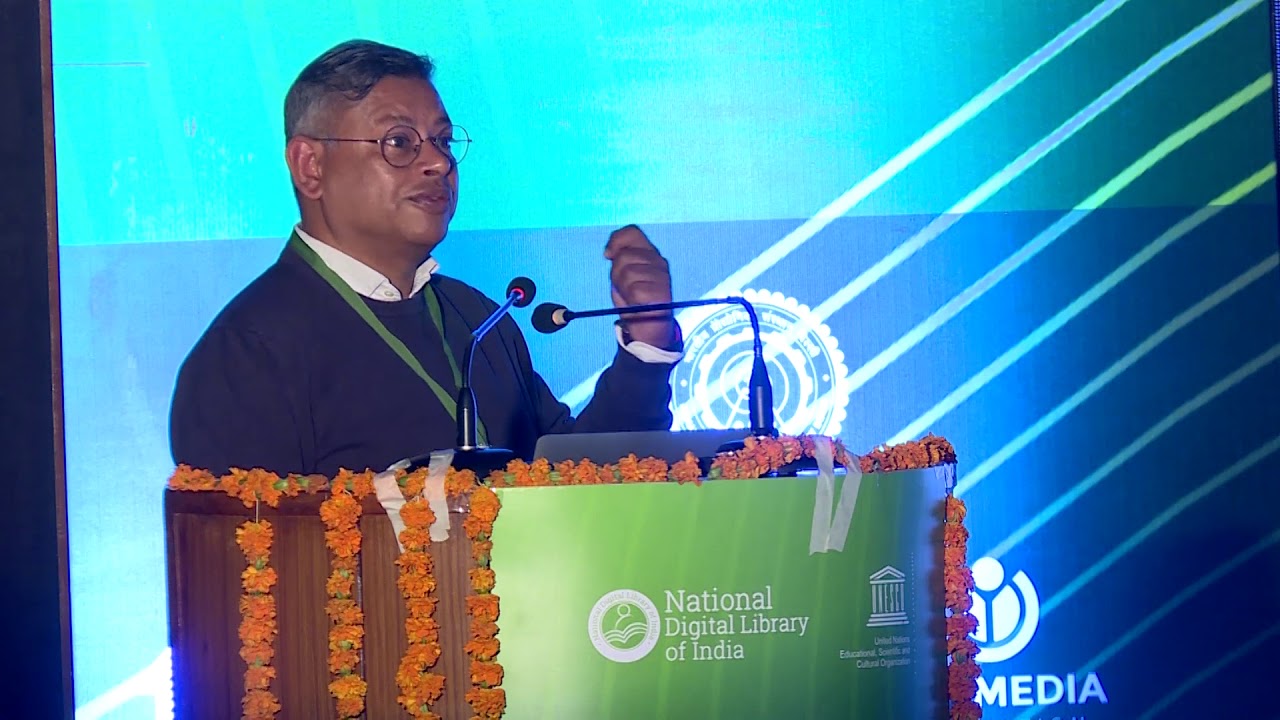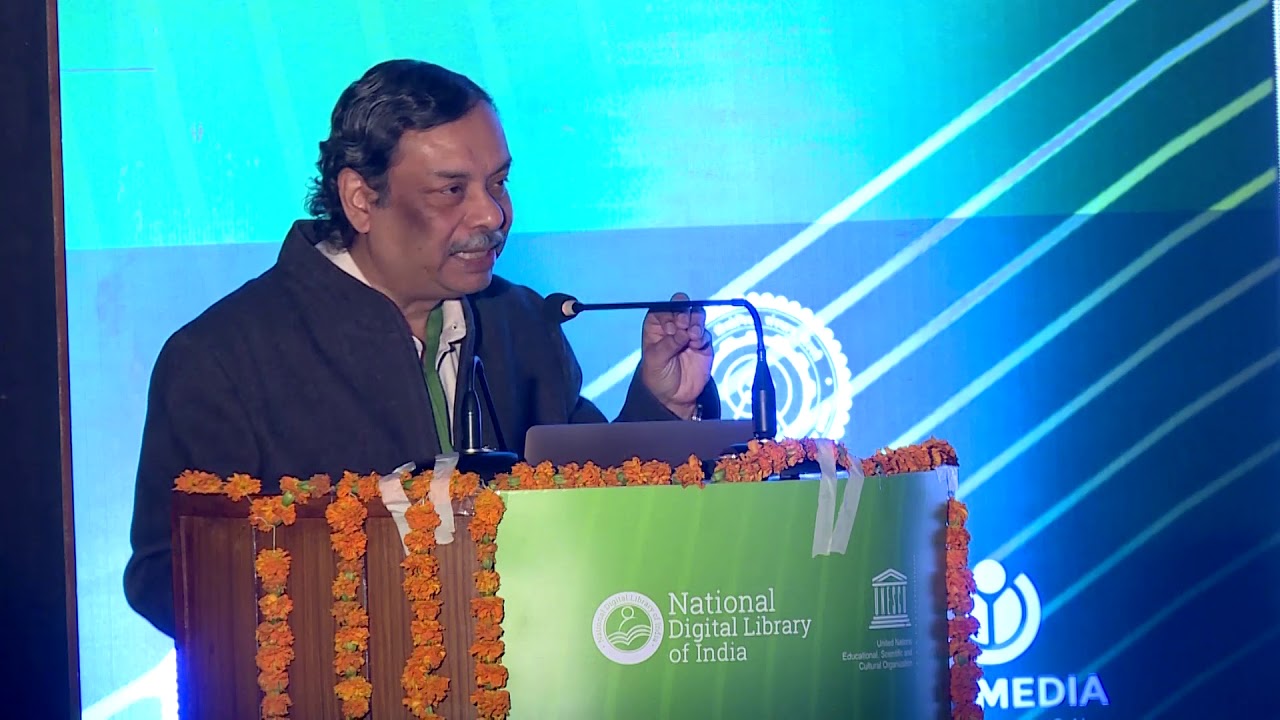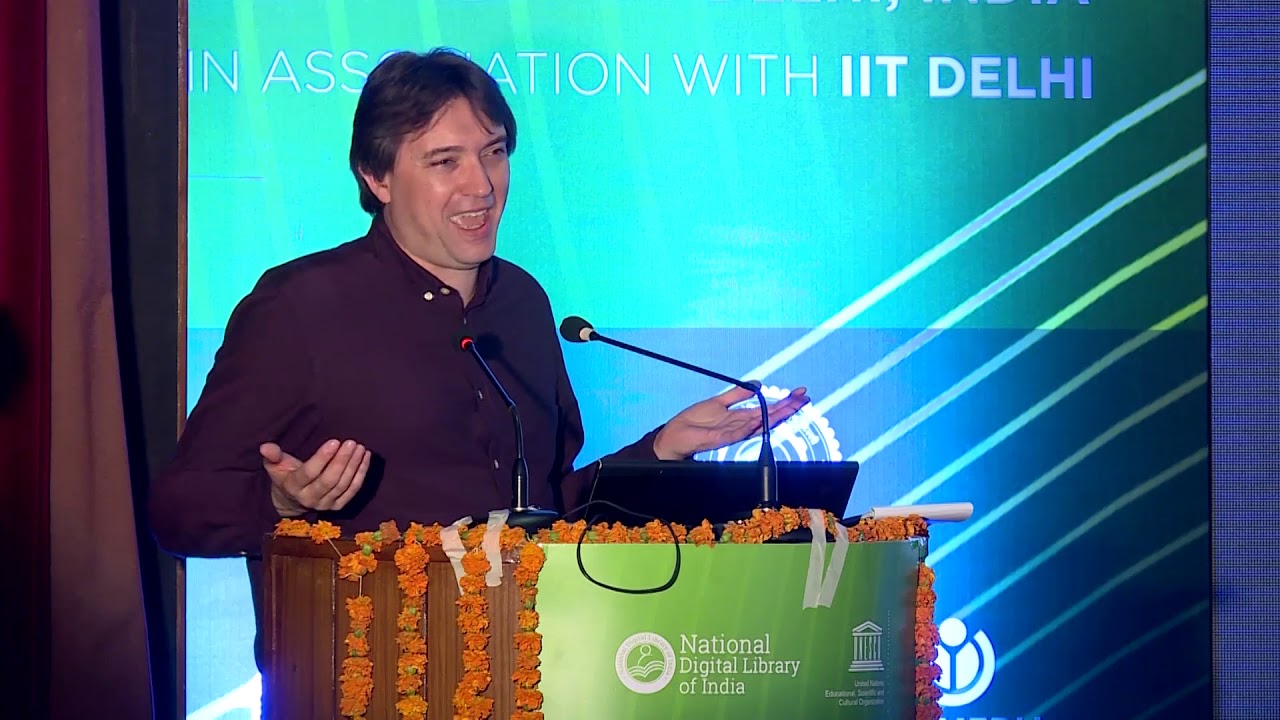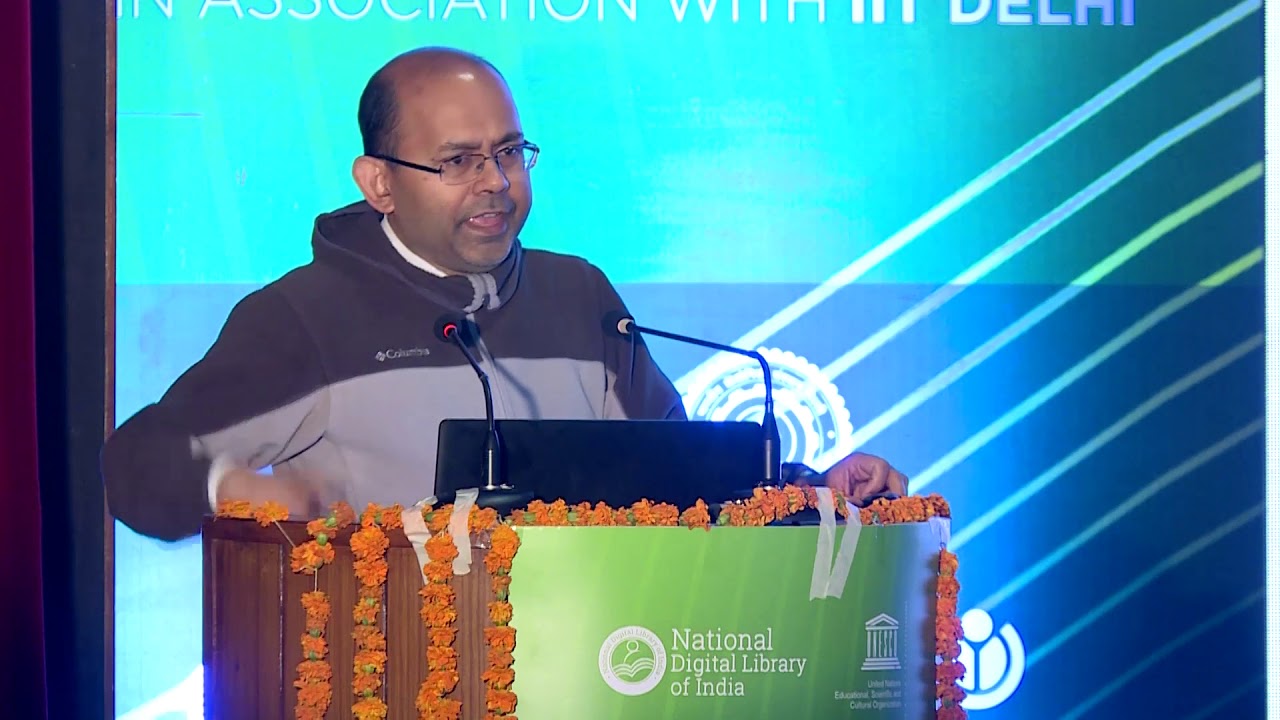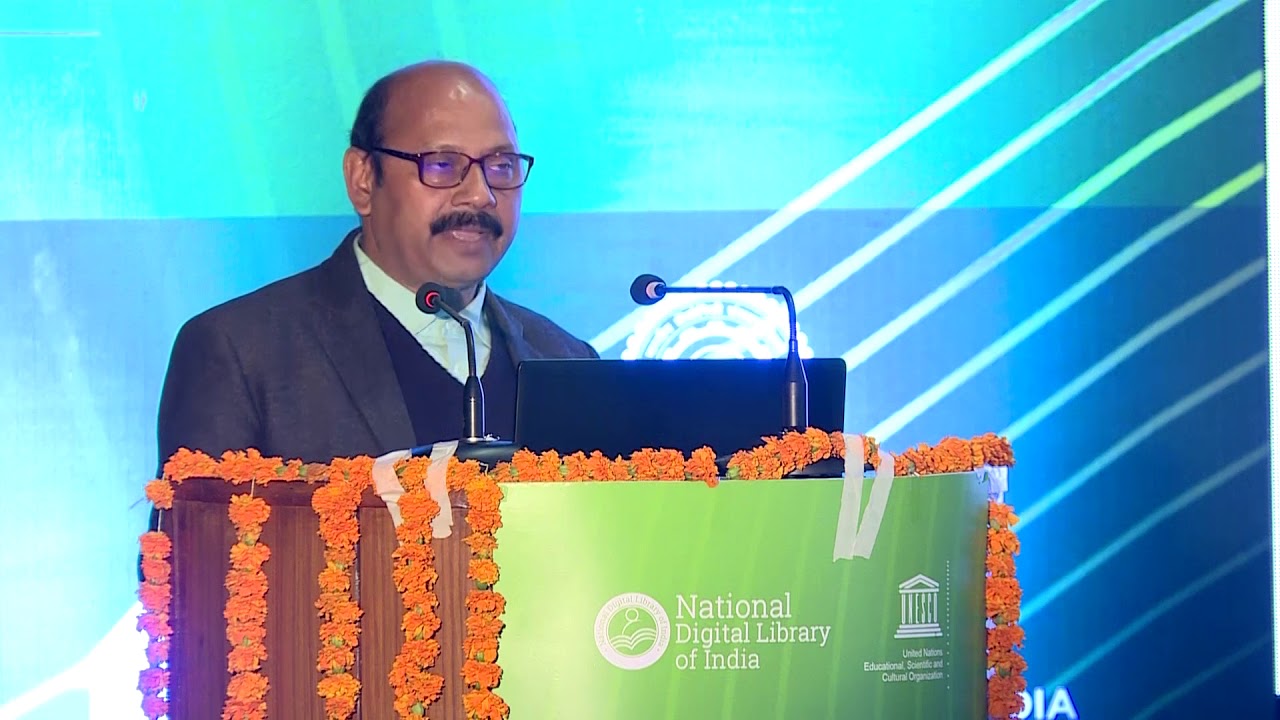
NDLI-UNESCO International Symposium on Knowledge Engineering for Digital Library Design 2019

NDLI-UNESCO International Symposium on Knowledge Engineering for Digital Library Design 2019

kedl2019
  • December 9, 2019 - December 11, 2019
  • 4:00 PM
  • SEMINAR HALL – IIT DELHI, INDIA
  • +91-3222-282435
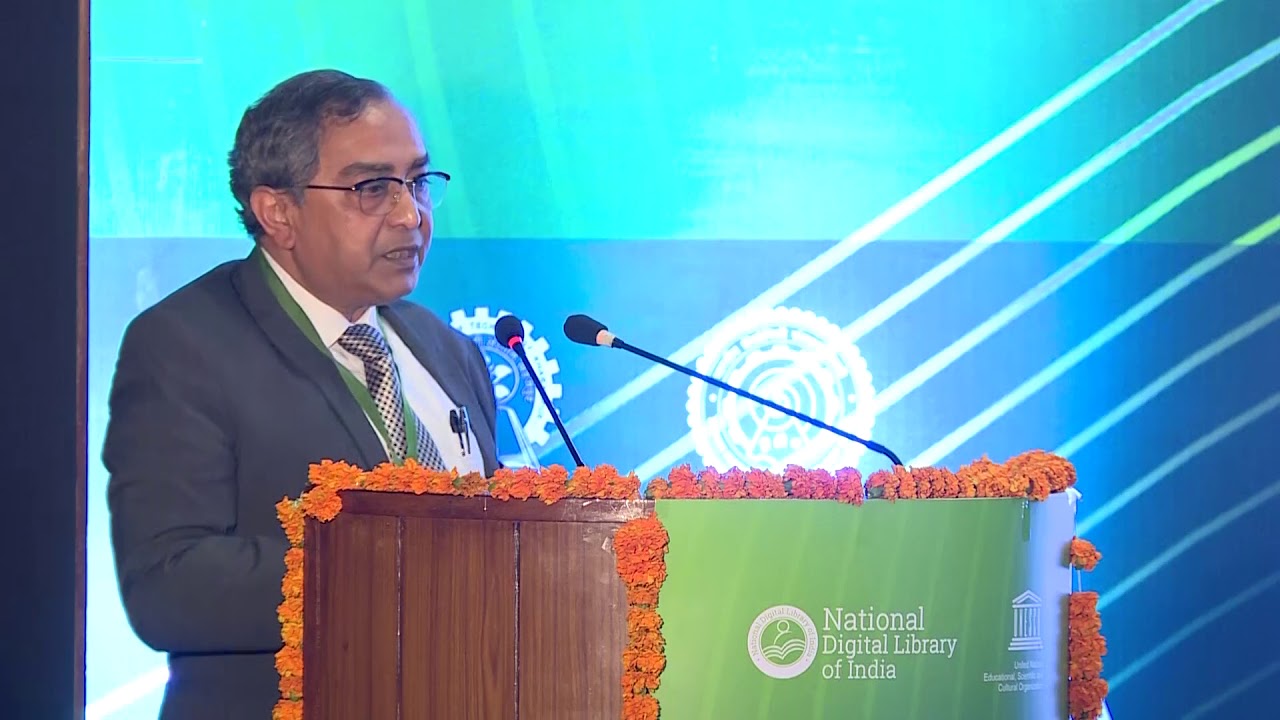
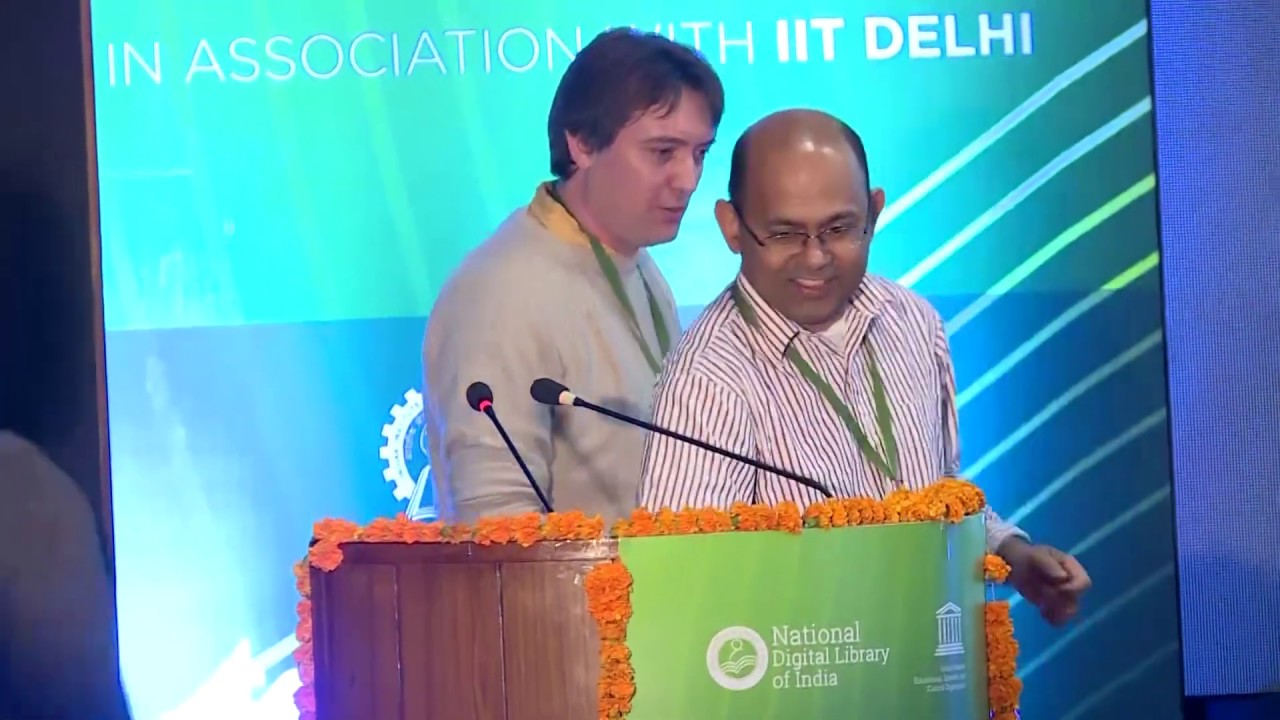
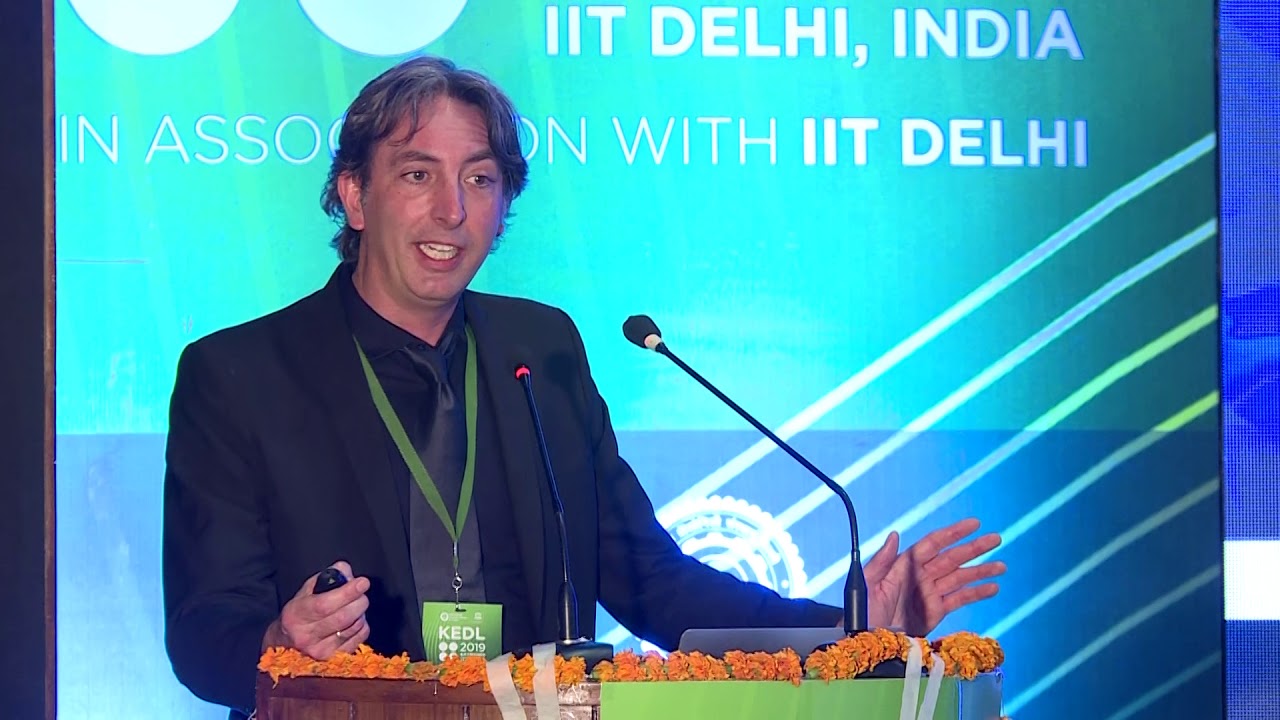
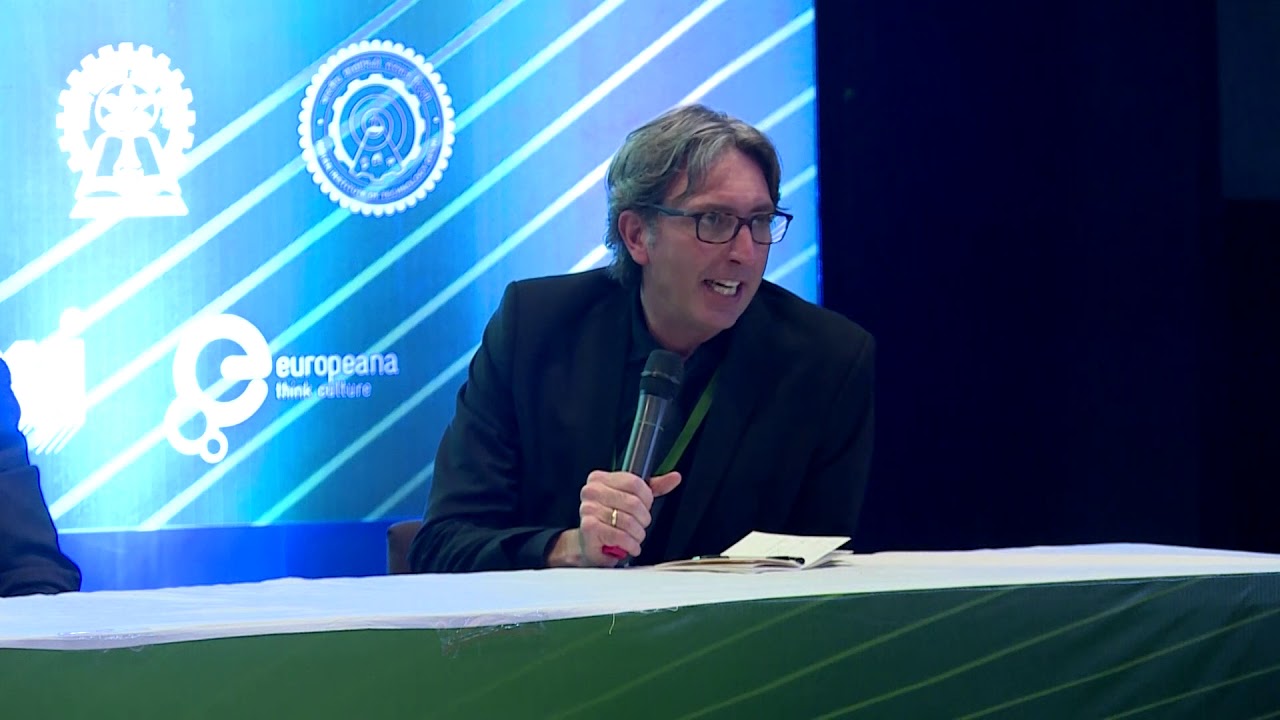
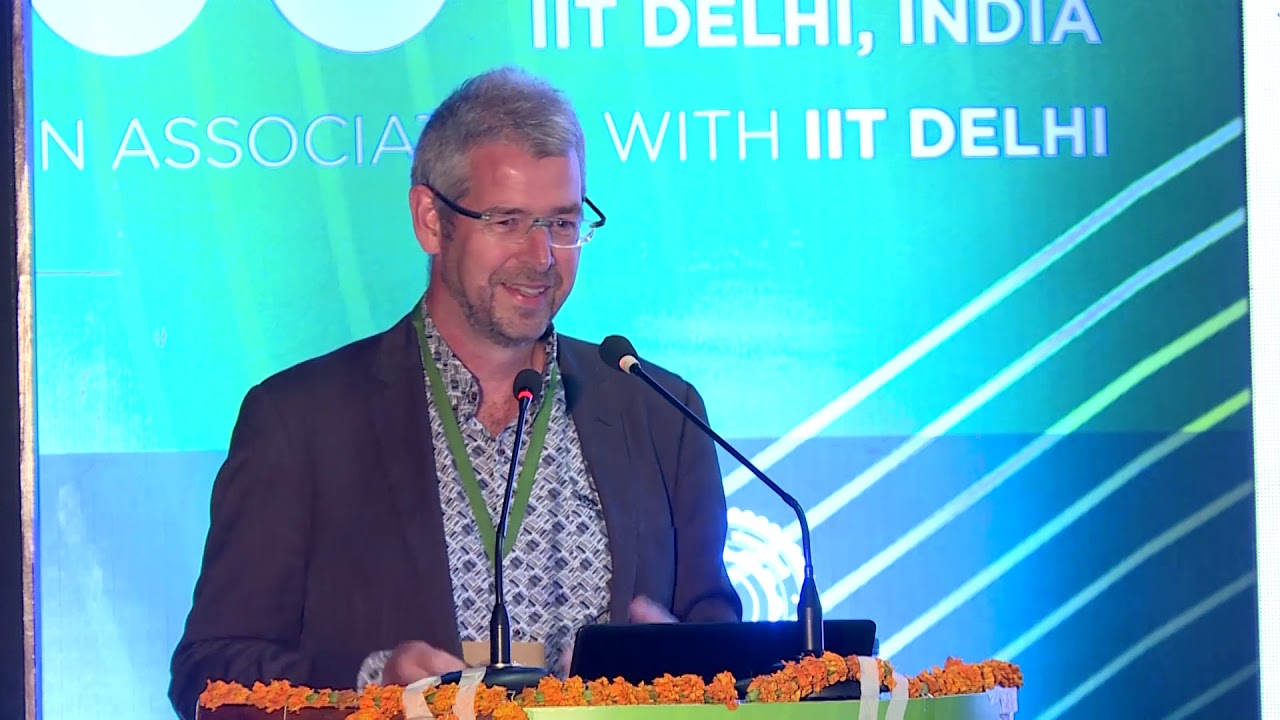
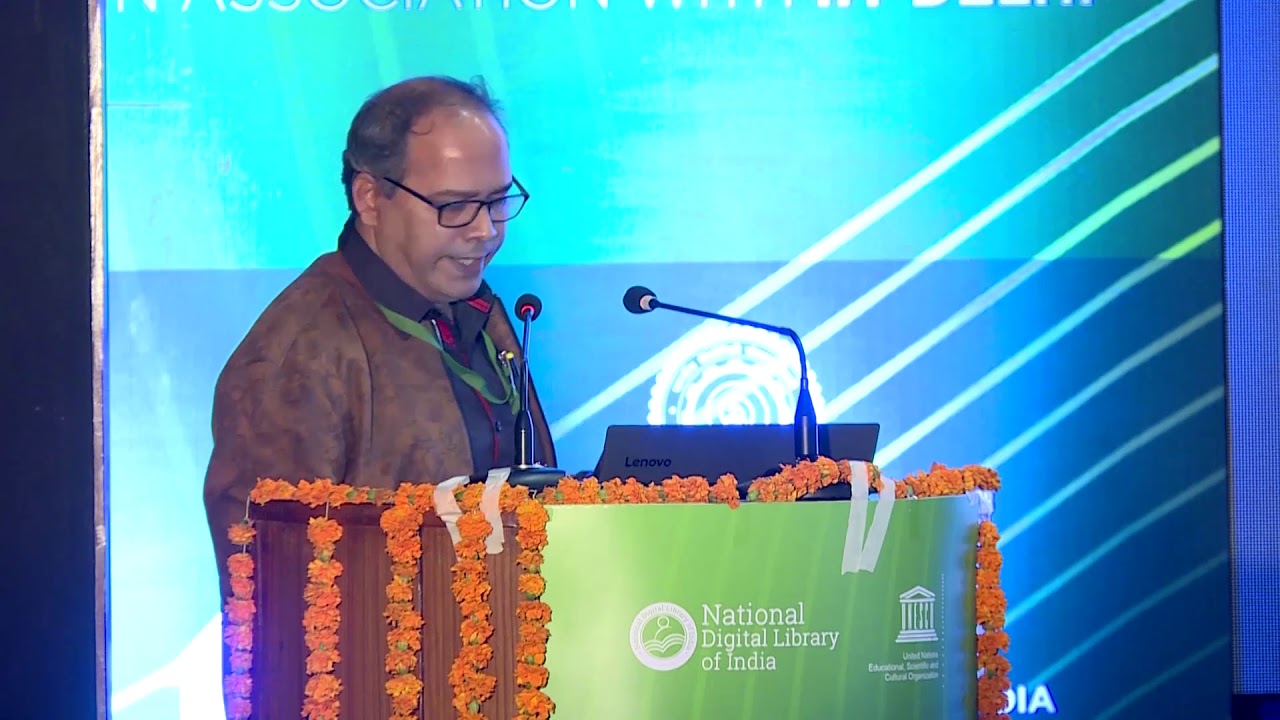
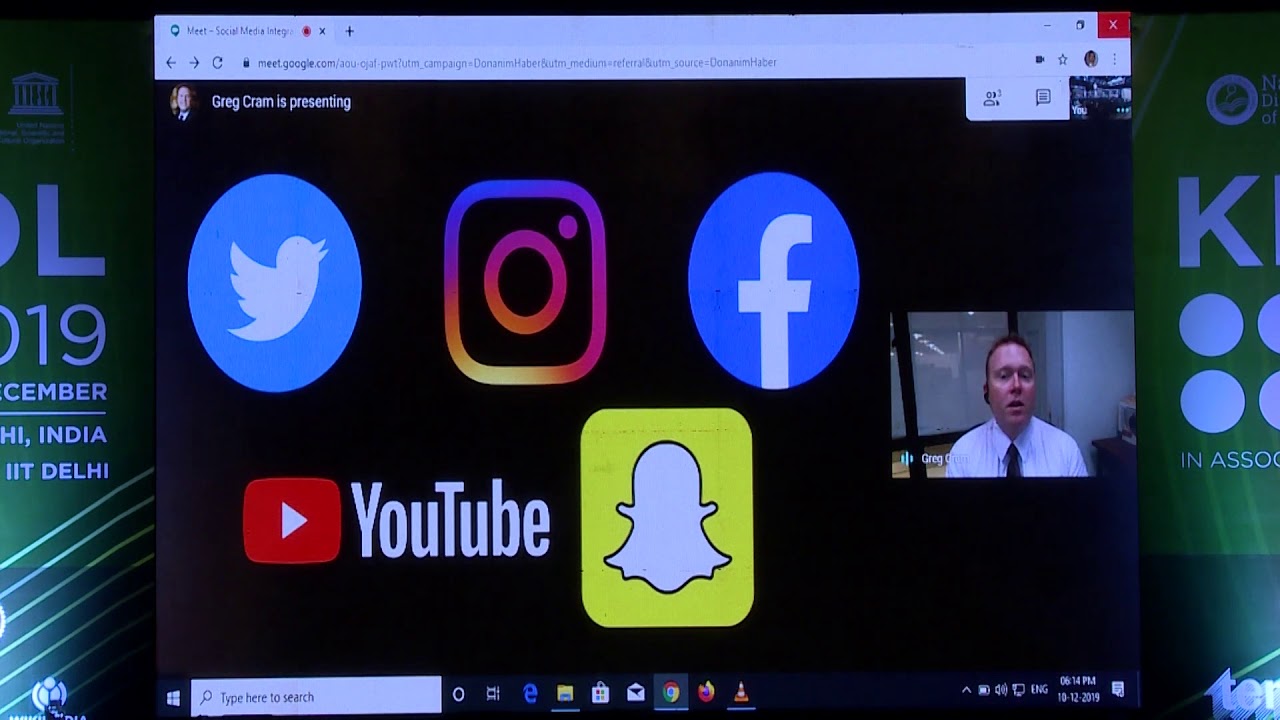
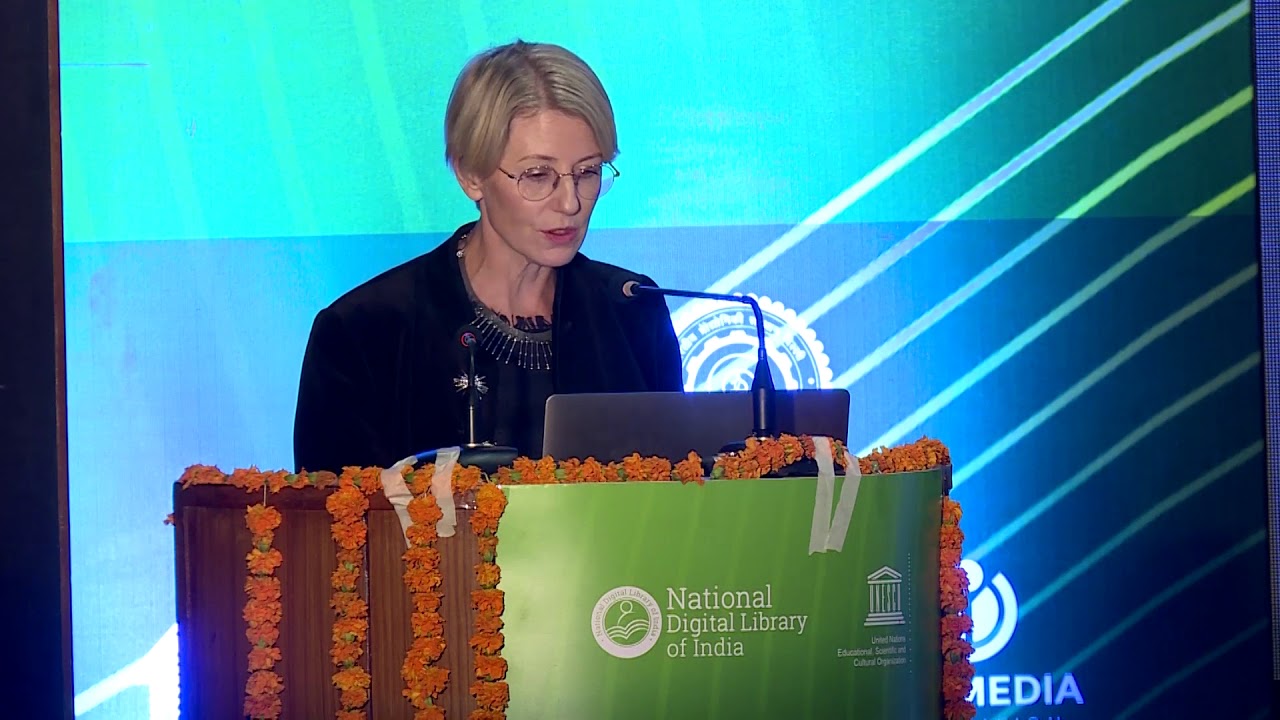
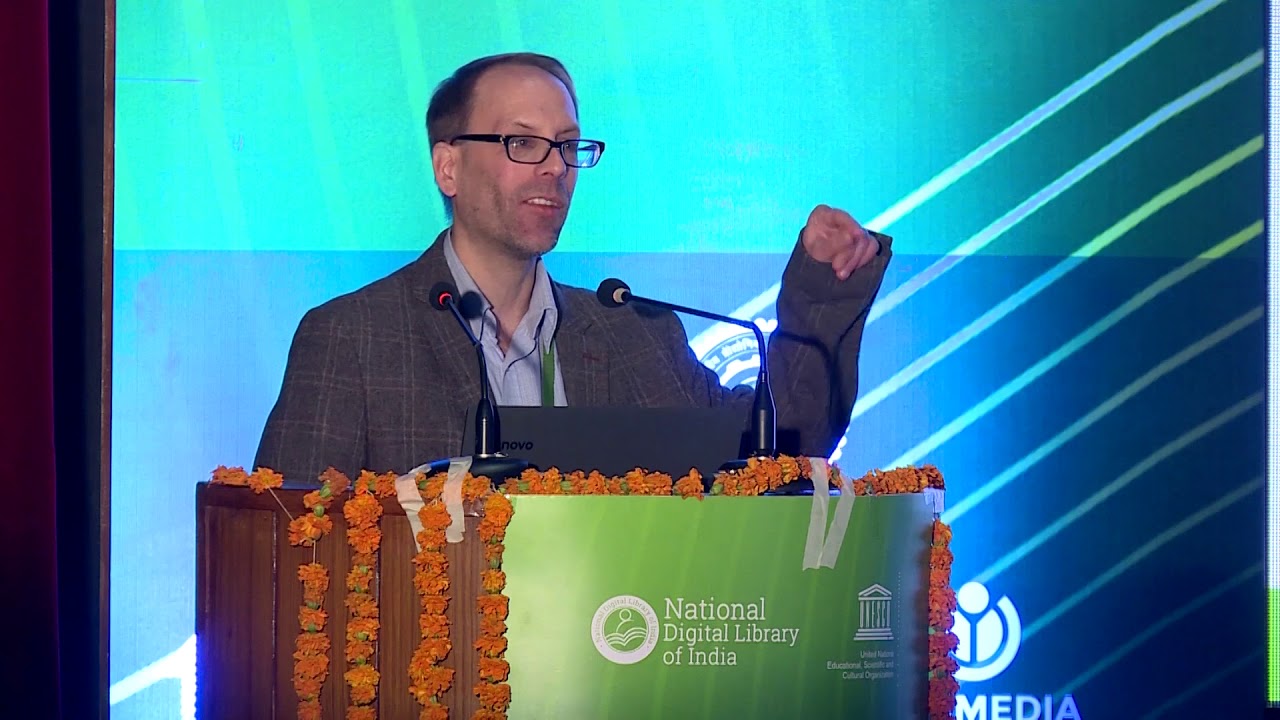
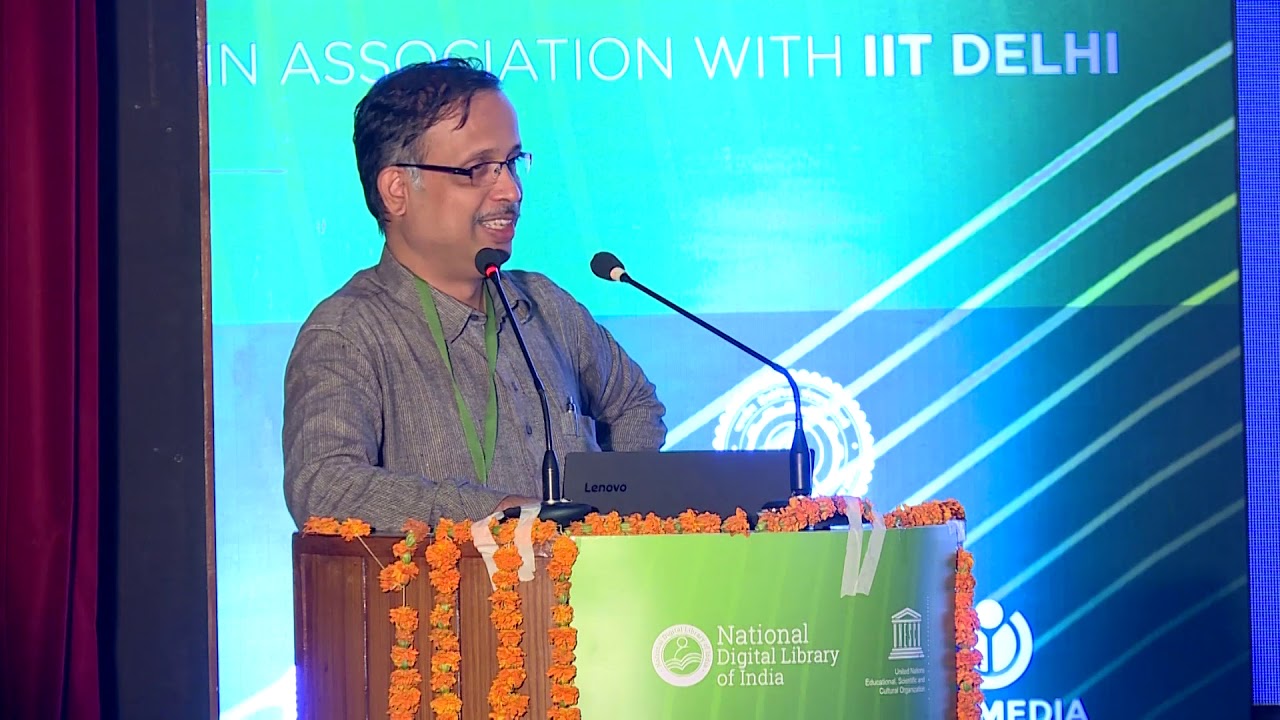
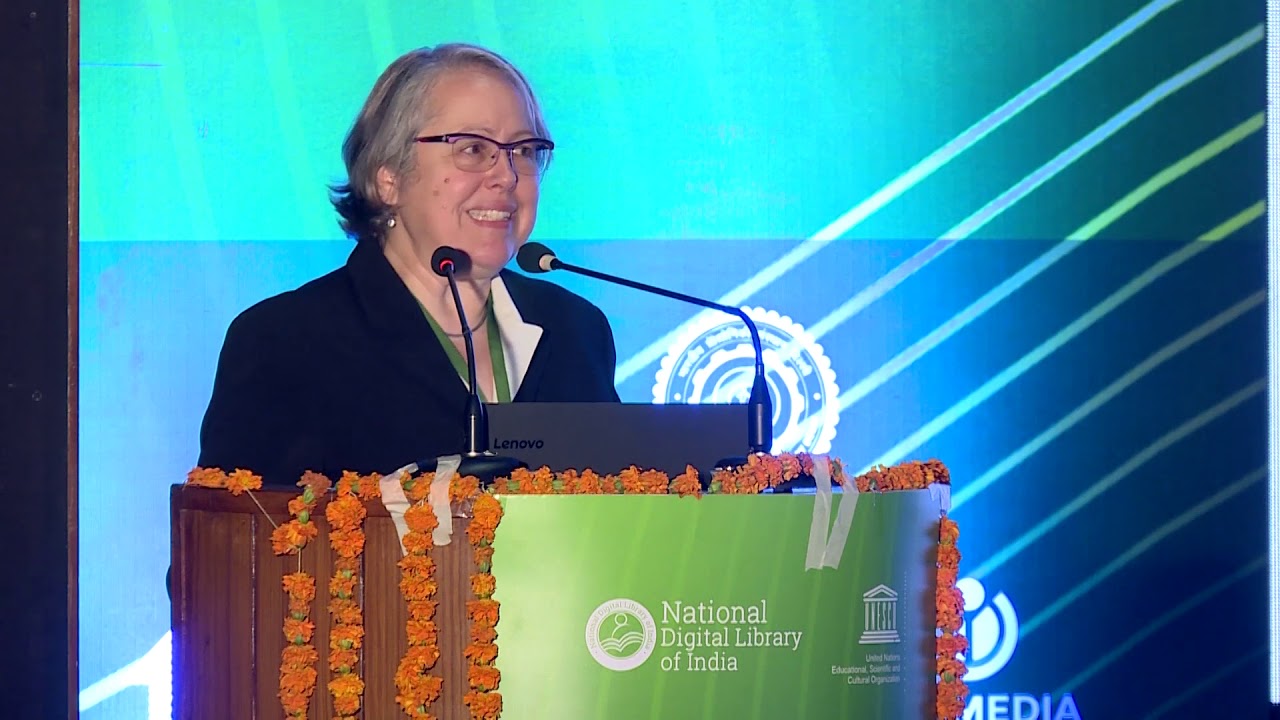
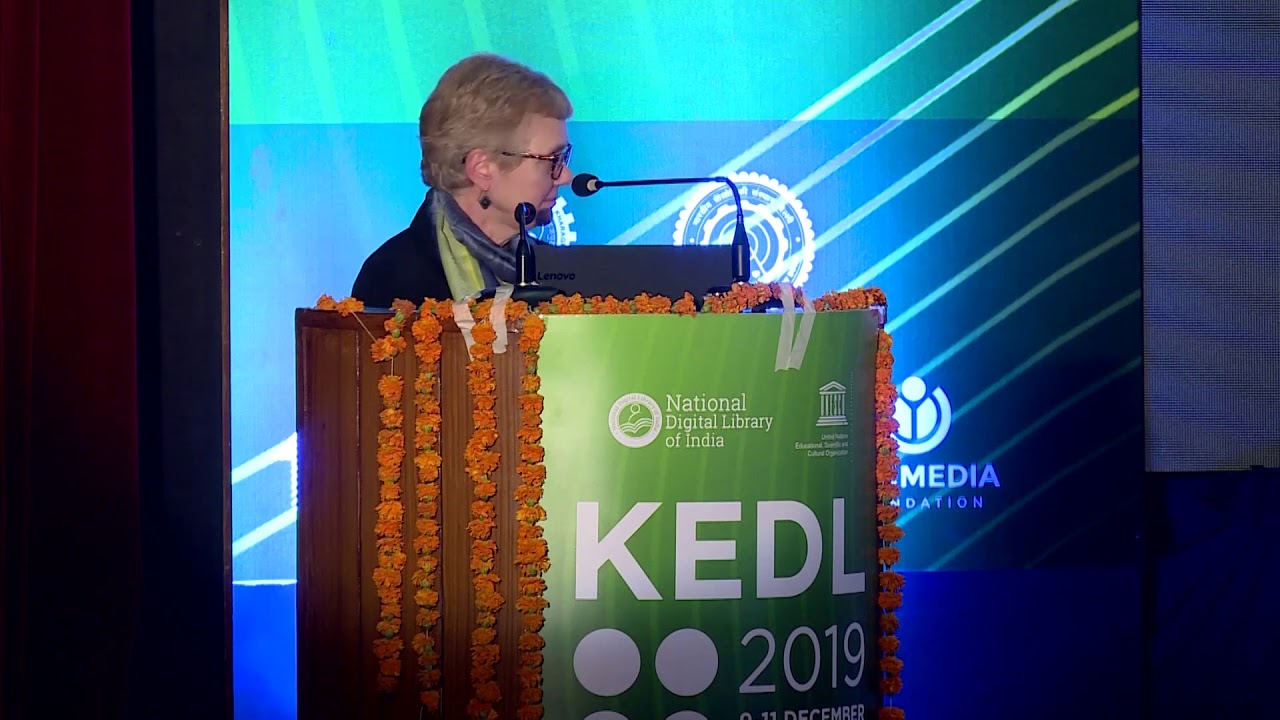
NDLI-UNESCO International Symposium on Knowledge Engineering for Digital Library Design 2019 held at IIT Delhi, India from 9–11 December 2019.(KEDL 2019)

A landmark symposium on digital library technologies concluded this week at the Seminar Hall, Indian Institute of Technology (IIT) Delhi, drawing scholars, technologists and cultural heritage professionals from around the world. The NDLI-UNESCO International Symposium on Knowledge Engineering for Digital Library Design (KEDL 2019) — co-organized by the National Digital Library of India (NDLI) and UNESCO — focused on emerging “smart” and open technologies shaping the future of digital libraries.

The three-day event, held from December 9–11, brought together more than 20 eminent speakers and experts discussing topics ranging from metadata technologies and linked open data, to digital preservation and multilingual information retrieval systems. A central message threaded through the proceedings was the necessity of openness and collaboration in supporting global access to knowledge and cultural heritage.

For more details, visit http://kedl2019.ndl.gov.in

A Global Perspective on Digital Libraries

The symposium opened with an overview of the technical innovations and research agenda powering the National Digital Library of India — a flagship initiative developed by IIT Kharagpur under India’s NMEICT project. Speakers highlighted enhancements to search interfaces, metadata frameworks, and machine learning tools intended to make educational resources accessible to users across linguistic and demographic barriers.

Renowned international contributors shared insights into digital transformation initiatives. Key addresses included discussions on Europeana’s efforts to digitize vast cultural collections, the role of open access in educational impact, and novel models for text mining and automated citation recommendation systems.

Regional Heritage and Open Knowledge

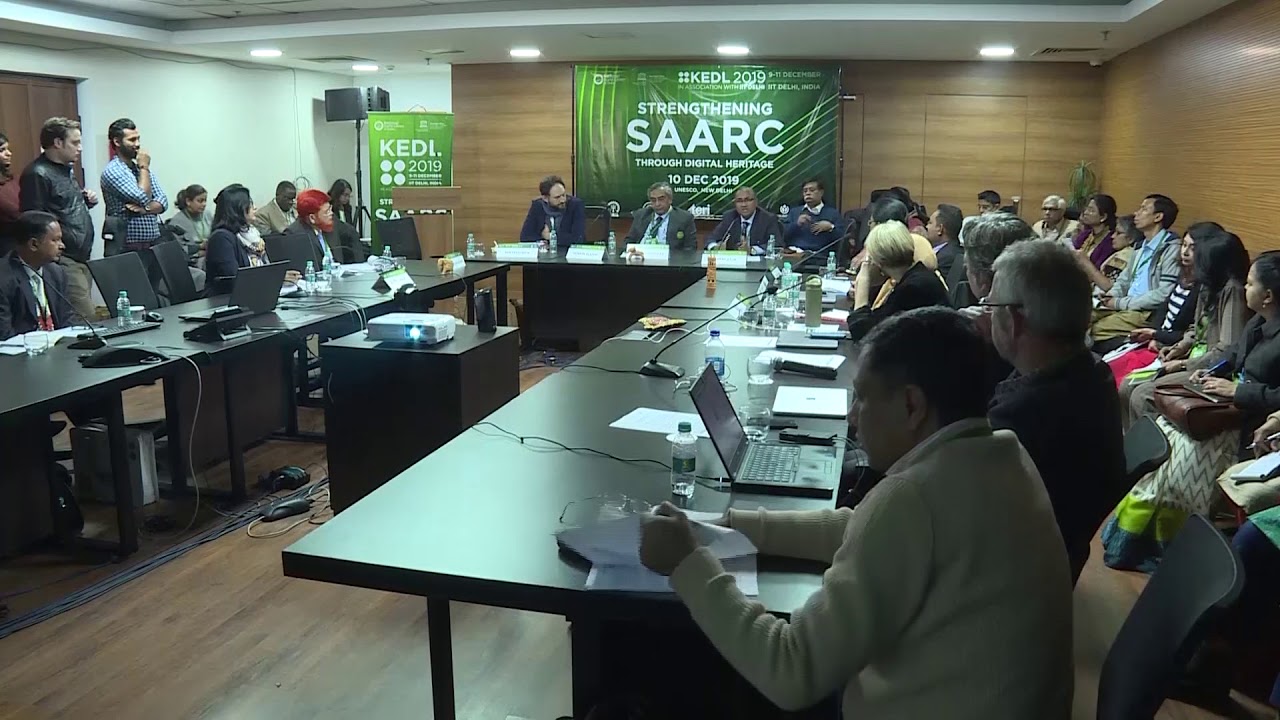
The second day featured a UNESCO-led session on strengthening SAARC regional cooperation through shared digital heritage. Experts underscored the importance of preserving documentary and cultural heritage in digital form, emphasizing inclusive accessibility — particularly for users with disabilities — and advocating the development of shared digital platforms for the region’s rich cultural resources. Panelists from Bangladesh, Maldives, Nepal, Sri Lanka and India discussed both challenges and opportunities in national digital library initiatives.

Later sessions probed the frontiers of linked open data, semantic web technologies and community contributions to heritage platforms. Speakers highlighted tools like DBpedia and Wikimedia, stressing collaborations that expand global access and interpretation of digital knowledge.

Cutting-Edge Tools and Research Challenges

Day three showcased advancements in digital museology, computational studies of historic architecture, and the application of Artificial Intelligence (AI), Internet of Things (IoT), and Augmented/Virtual Reality (AR/VR) to heritage visualization and experience design. Experts reiterated that future library systems must move beyond static repositories, evolving toward interconnected and interactive knowledge ecosystems.

Amid these discussions, concerns about algorithmic fairness and transparency in information retrieval systems were highlighted. Speakers cautioned that unchecked biases within AI and data-driven tools can influence discovery and access, advocating for ethical frameworks that ensure equity and accountability.

Looking Ahead

The symposium culminated with a collective agreement on the importance of standardization, collaborative research, and shared technological infrastructure in building the next generation of digital libraries. Delegates expressed optimism that partnerships across nations, institutions and platforms will accelerate access to cultural and educational content worldwide.

The event was widely praised by attendees for its breadth of perspectives and for reaffirming global commitments to open knowledge, heritage preservation, and innovating how users discover and engage with digital content.

KEDL 2019

33 Videos